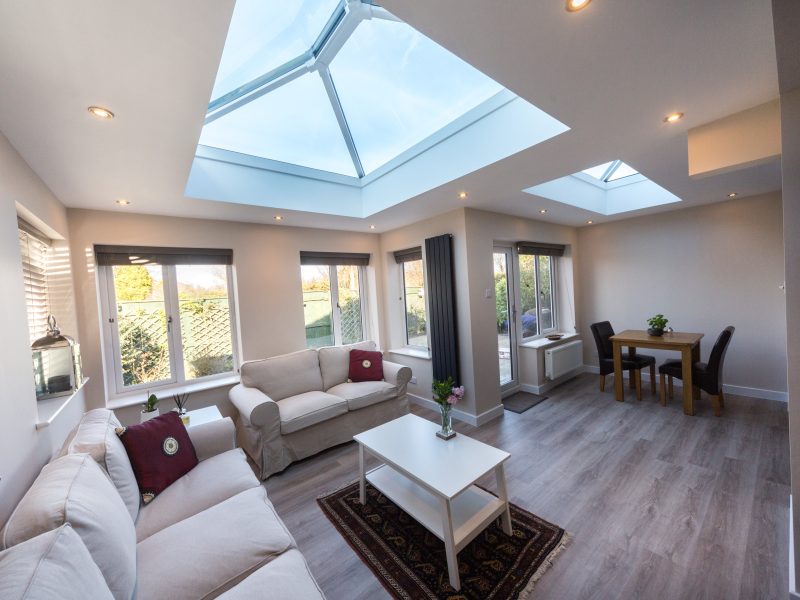
 Architect Designed Living Spaces
 Find Your Local Showroom



Overview of Composite Doors
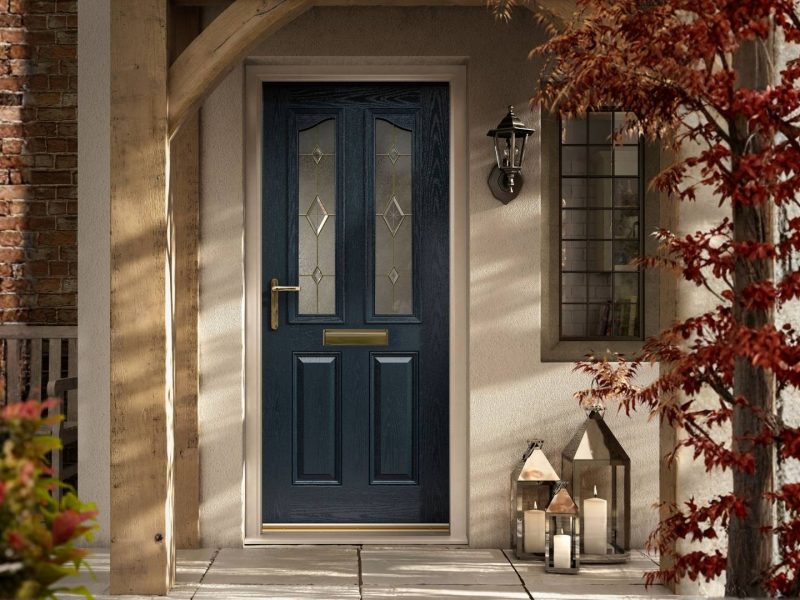
Composite doors are known for their robust and durable nature, combining multiple materials that typically include PVC, wood, insulating foam, and glass. This fusion is designed to maximise the strengths and minimise the weaknesses of each constituent material, making composite doors an excellent choice for enhanced security and thermal efficiency.
Advantages:
Security: Composite doors are exceptionally sturdy due to their thick and solid structure, often comprising a combination of materials like timber and reinforced plastic. This makes them highly resistant to forced entry.
Insulation: The materials used in composite doors provide superb thermal resistance and sound insulation. This can help reduce heating bills and keep your home quieter.
Aesthetics: Composite doors are available in a range of finishes and colours, mimicking the look of real wood or any other texture, enabling homeowners to achieve a high-end aesthetic without the maintenance of natural wood.
Durability: These doors are built to resist weathering and will not fade, warp, or crack over time, making them a long-lasting addition to any home.
Considerations:
Composite doors tend to be at a higher price point compared to uPVC due to the materials and manufacturing processes involved.
Overview of uPVC Doors
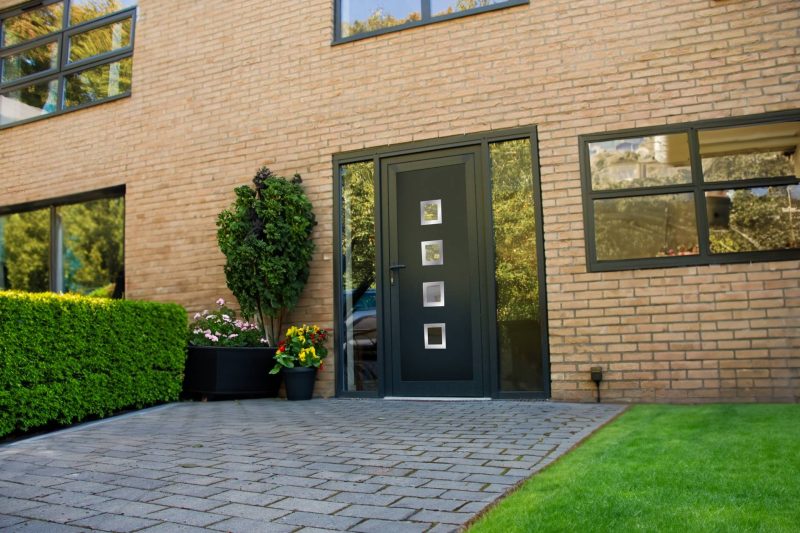
uPVC, or unplasticised polyvinyl chloride, doors are widely chosen for their cost-effectiveness and functional qualities. They are manufactured with a lightweight but sturdy plastic material that does not include phthalates or BPA, making them a safe and environmentally friendly option.
Advantages:
Cost-Effective: uPVC doors generally come at a lower cost than composite doors, providing a budget-friendly option without compromising on quality.
Low Maintenance: Unlike wood, uPVC does not rot, rust, or require repainting. A simple wipe down with a damp cloth will keep a uPVC door looking new.
Energy Efficient: uPVC doors provide excellent insulation properties, thanks to the nature of the material and the tight seals that are often part of their design.
Variety: There is a wide range of styles and colours available, allowing them to suit various house styles.
Considerations:
While uPVC doors are durable, they may not offer the same level of security as composite doors, primarily due to the material’s inherent characteristics.
Aesthetic preferences for uPVC doors may vary as some homeowners prefer the authentic look of natural materials like wood which uPVC might not fully replicate.
Make The Right Door For Your Home with Britannia
Your choice between a composite and a uPVC door will largely depend on your priorities. If security and durability are your top concerns and you’re willing to invest in a door that will offer superior strength and thermal efficiency, a composite door might be the ideal choice. Explore our selection of composite doors to find styles that blend seamlessly with your home’s design.
Alternatively, if you’re looking for a cost-effective, low-maintenance option that still provides good insulation and a variety of design choices, a uPVC door might be perfect for your needs.
Whatever your decision, you’re enhancing your home with a door built to offer security, warmth, and style. To discuss more or to get a quote tailored to your specific needs, don’t hesitate to get in touch with us. We’re here to help you make the best choice for your home!
